
How Winter Weather Leads to More Personal Injury Accidents in Nebraska
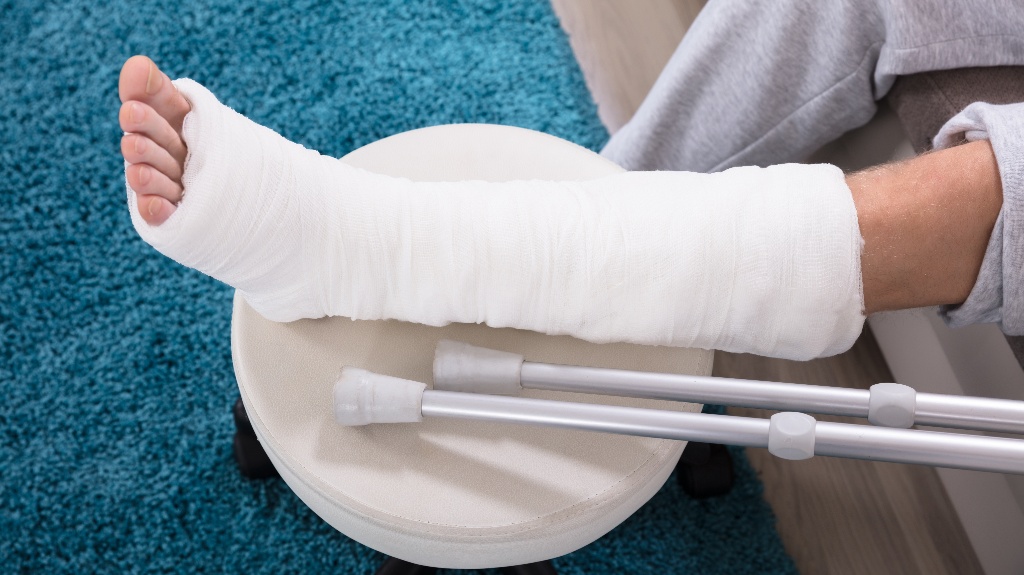
Nebraska is notorious for having brutal winters that include frequent snowstorms, ice, hail, etc. These types of dangerous weather conditions are what cause a spike in both car accidents and injuries from slipping and falling. What a lot of people fail to realize is that so many of these accidents are preventable if the right actions are taken. Even after they occur, whether preventable or not, there are still steps that victims can take to protect their rights.
Icy Roads and Losing Control of Vehicles
Snow, sleet, and ice naturally make driving much more difficult, especially when it comes to slowing down and breaking. Because of this, accidents are likely to be frequent especially when the driver is unprepared. The most common types of crashes are rear-ending collisions, multi-car pileups and running through stop signs/stoplights.
The best way to prevent these accidents from happening is to keep longer distances between you and the vehicle in front of you, along with driving at slower speeds that normal. It’s important to note that even if there are dangerous weather conditions, the driver can still be held liable for any accidents caused due to their inability to slow down or because of driving too close to the vehicle in front of them.
Snow/Ice Related Slip and Fall Injuries
Snow covered sidewalks and icy parking lots and driveways are what typically lead to slip-and-fall related injuries. According to Nebraska state law, property owners do not usually have a legal responsibility to keep their area safe, unless they charge a fee for public entry. Because of this, it’s important to proceed with caution when walking in slippery areas and do your best to keep your personal areas shoveled and salted to minimize these risks for both you and others.
Reduced Visibility and Darker Days
As a result of snowfall along with darker days because of the time of year, visibility is usually at its lowest. This is another reason as to why prioritizing driving extra slowly and carefully can reduce the risk of car accidents tenfold. Utilizing your headlights will also make all the difference.
Failing to do any one of these things can result in being considered negligent in a court of law. In general, you should always remember to use your headlights, reduce your speed, and stay alert. Driving when you’re tired combined with all of these risks furthers the chances of an accident happening, so make sure to use your best judgement and step back from the wheel if you need a break.
Cold Weather Mechanical Problems
Cold temperatures impact things like tire pressure and breaking. If you haven’t maintained your vehicle and it’s operating with worn out tires and malfunctioning brakes, this can increase the chances of winter accidents.
Ultimately, drivers are the ones responsible for maintaining their vehicles and making sure they’re safe to drive. If they fail to do this, then they’re the ones held liable if an accident happens because of it. Examples include failing to stop because of worn out brakes and sliding because of driving too fast or worn tires.
Make sure to utilize winter weather driving tips such as slowing down, avoiding snowplows, and inspecting tires at least once a month.
How to Handle a Winter Injury
If you find yourself being a victim of a winter personal injury, make sure you act immediately. Having as much documentation on the incident as possible will only help you in the long run. Take photos of the weather conditions, any ice patches, vehicle damage, and anything else that could have contributed to the accident. Next, file an accident report with the police so that it’s legally documented, and avoid giving statements to any insurance companies before speaking with an attorney. Finally, it’s important that you have the right legal team on your side. Shasteen, Morris & Ockander PC has a team of experienced personal injury attorneys that are ready to help you. Make sure you reach out for your free consultation as soon as possible to get the justice you deserve.